Emergency Bills Help and Where To Get Suppport Now
Life throws curveballs. One moment you’re on track with your expenses, and the next, a big bill lands in your mailbox and your stomach drops. That’s where emergency bills help comes in. This isn’t just about loans or money; it’s about options, support, dignity, and peace of mind.
Getting help with emergency bills isn’t a sign of failure — it’s smart financial planning. Knowing what’s available, and how to tap into it responsibly, can prevent long‑term debt trouble and maintain your financial stability even in tough moments.
Understanding What Counts as an Emergency Bill

Not every bill is an emergency. A bill is considered an “emergency” if:
- You cannot delay paying it without serious consequences.
- It affects your safety or basic needs, like housing, food, utilities, or essential transportation.
- The situation was unplanned and unavoidable — like sudden medical costs or emergency home repairs.
- Failure to address it immediately risks service termination, penalties, or legal action.
The Stress of Sudden Expenses
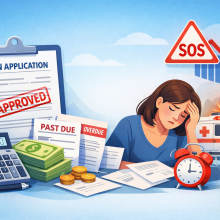
Emergency bills don’t just hurt your wallet — they affect your emotional wellbeing. Anxiety, sleepless nights, and stress about how you’ll catch up can quickly take over your life. This psychological weight makes it harder to make rational decisions about your finances. But here’s the truth: you’re not alone. Millions deal with unexpected expenses every year, and help exists — you just need the right roadmap.
Government Help for Emergency Bills
Federal and Local Support Programs
Many countries, states, and local governments offer emergency assistance programs. These might help with temporary cash payments for urgent needs, food and medicine support, rent or housing payment help, and short‑term income supplements. These programs exist because emergencies happen — and society recognizes that unexpected bills shouldn’t push people into homelessness or desperation.
Assistance for Energy & Utility Bills
Utility and energy bill programs are among the most commonly used emergency support services. These may include crisis bill payments to prevent disconnection, energy vouchers for low‑income households, and income‑based discounts on essentials like gas or electricity. If your power or water is about to get cut off, call your utility provider before the cutoff date — most offer emergency bill support or payment plans when you ask.
Community Organizations That Provide Emergency Bills Help
Local Emergency Relief Centers
Local emergency relief centers often provide immediate financial assistance or vouchers to help with critical bills. You don’t always have to be in “crisis” — some centers assist anyone struggling due to sudden expenses.
Nonprofit Services for Immediate Needs
Nonprofits often help with food programs, medication assistance, transport support, and partial payments for urgent bills. These services may free up your existing funds so you can prioritize bills that would cause the most damage if left unpaid.
Financial Counselling to Deal with Emergency Bills
How Counsellors Help You Prioritize Bills
Financial counsellors don’t tell you what to do — they help you organize bills by urgency, understand income vs. expenses, set up manageable repayment plans, and connect with government or nonprofit support. This can turn chaos into clarity.
Finding Free or Low‑Cost Financial Advisors
Look for nonprofit financial counselling services — many are free and do not require you to take out loans or sell assets. They focus on setting up long‑term stability rather than pushing products.
How Banks and Lenders Can Help You with Emergency Bills
What Hardship Programs Do
A hardship program might offer deferred payments, reduced minimum payments, extended terms temporarily, or interest rate modifications. This can ease immediate pressure without resorting to expensive loans.
How to Apply for Loan or Payment Relief
Contact your bank’s customer service or hardship department early — waiting makes it harder to get favourable terms.
What Emergency Loans Are and How They Work
When bills are due now, and no free support is available, emergency loans can fill the gap. These are short‑term loans designed to be fast and accessible.
Pros and Cons of Emergency Loans for Bills
- Pros: Quick access to money, can prevent service disconnection, often available even with less‑than‑perfect credit.
- Cons: Interest and fees can be high, mismanagement can create more debt, not all lenders are reputable.
Easy Approval Finance Options for Emergency Bills
For many, traditional banks aren’t an option — either because approval would take too long or because credit issues stand in the way. That’s when easy approval finance options can help bridge the gap. You can explore a list of finance companies that often offer faster decisions and more flexible criteria here: Easy Approval Finance Companies.
What “Easy Approval” Really Means
“Easy approval” doesn’t mean approval for everyone — it means the application process tends to be quick, online, and less focused on credit scores, designed for urgent needs. However, it also means you need to pay extra attention to terms and fees.
Evaluating Easy Approval Finance Options Responsibly
Before choosing an emergency funding provider, compare interest rates, check fees and repayment schedules, understand total cost over time, and only request what you absolutely need.
Smart Ways to Use Easy Approval Finance Companies
- Use funds strictly for essential bills
- Stick to your repayment plan
- Avoid unnecessary additional borrowing
- Track your progress closely
How Budgeting Reduces Future Emergency Bills
One of the best defenses against surprise costs is a solid budget. Track where every dollar goes, build predictable saving habits, identify recurring expenses ahead of time, and cut unnecessary subscriptions. This creates breathing space when emergencies strike.
Building an Emergency Savings Plan That Works
An emergency fund isn’t about having a huge balance — it’s about readiness. Start with small weekly contributions and automate them. Over time, even a modest cushion can stop a crisis from becoming a catastrophe.
Alternatives to Taking Out a Loan
If borrowing scares you, other options include asking bill providers for extended payment plans, selling items you no longer need, using community support services, or pooling help from family or close friends. Explore all options before committing.
Effective Ways to Negotiate With Bill Providers
When talking to providers, be polite and honest, explain your situation clearly, ask if hardship plans or extensions are available, and get details in writing. Persistence pays off — many providers will help if you simply ask.
Protecting Your Credit Score During Financial Hardship
If your lenders offer hardship arrangements, confirm they won’t be reported negatively to credit bureaus. This keeps your financial reputation intact while you manage expenses.
When to Consider Professional Financial Advice
If you feel stuck, a professional — not a salesperson — can offer tailored guidance. Look for certified advisers or nonprofit debt coaches rather than commercial debt consolidation firms.
Common Mistakes to Avoid When You Need Emergency Bills Help
- Ignoring the issue
- Waiting until bills are overdue
- Borrowing more than you can safely repay
- Falling for “quick fix” scams
Role of Insurance in Covering Emergency Costs
Insurance exists for exactly this reason. Make sure you review health insurance, car and transport coverage, home or renter insurance, and income protection plans. Good coverage dramatically reduces emergency costs.
Conclusion
When surprise bills arrive, it can feel like the rug has been pulled out from under you. But help exists — and it isn’t limited to loans or short-term fixes. Between government programs, community support, financial counselling, negotiation strategies, and responsible use of emergency funding resources (including easy approval finance companies), you have real options that can help you regain your financial balance.
The key is to act early, explore all resources, and choose the path that protects your long-term wellbeing.
FAQs
- What is emergency bills help? Emergency bills help refers to resources — whether financial, advisory, or support-based — designed to assist with sudden, unplanned expenses that you cannot delay paying.
- How can I get emergency bill support if I have bad credit? You can explore easier-approval financing options (link here), negotiate payment plans with providers, or seek community and government programs.
- Will asking for help affect my credit score? Government and community help does not affect your credit. For loans and hardship programs, confirm with the provider whether adjustments are reported to credit bureaus.
- Is it better to borrow money or negotiate payments? Negotiation should always be explored first, as it can prevent debt and fees. Borrowing can be helpful when negotiation doesn’t cover the full amount you need.
- What’s the first step if I can’t pay a bill immediately? Contact the bill issuer before it becomes overdue — early communication often leads to more flexible options.


Pingback: Emergency Bills Help and Where To Get Suppport Now – Debt Free Living