How to Get a Loan with Bad Credit: The Best Guide to Know
When unexpected expenses hit, access to quick financing can make a huge difference. Unfortunately, if your credit score is less than perfect, many traditional banks may reject your application right away. This situation leaves many people wondering if it’s even possible to learn how to get a loan with bad credit.
The good news is that getting approved for a loan with a low credit score is far more achievable today than it was a decade ago. Financial technology companies and alternative lenders have transformed the lending industry by creating new ways to evaluate borrowers. Instead of relying solely on credit scores, many lenders now consider additional factors like employment history, income stability, and bank account activity.
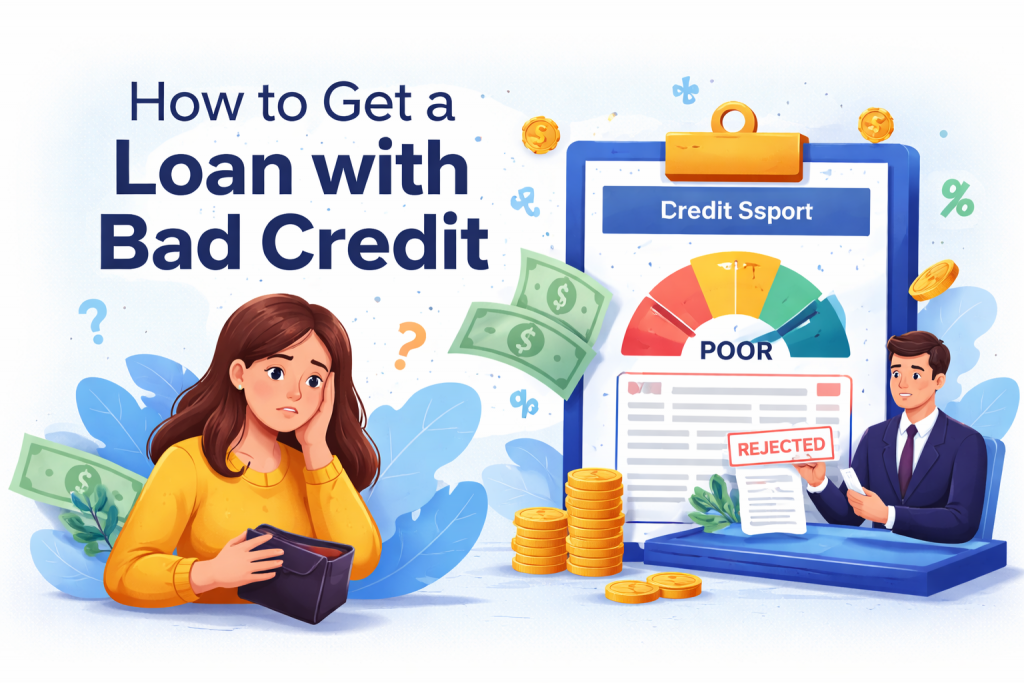
This shift has opened the door for millions of borrowers who previously struggled to access financing. Even if your credit history includes missed payments or high debt balances, there are still lenders willing to work with you. The key is understanding the right strategies and knowing where to look for lenders that specialize in bad credit loans.
This comprehensive guide will explain how to get a loan with bad credit, what lenders look for, the types of loans available, and how to increase your chances of approval. If you approach the process carefully and make informed decisions, borrowing money with bad credit can become much easier and safer.
Understanding How to Get a Loan with Bad Credit
What Counts as Bad Credit in the United States
Credit scores typically range from 300 to 850, with higher numbers indicating stronger financial reliability. Lenders categorize scores into ranges that help them quickly determine whether a borrower is considered low risk or high risk.
| Credit Rating | Score Range | Typical Interest Rate |
|---|---|---|
| Excellent | 720 – 850 | Lowest available |
| Good | 690 – 719 | Moderate |
| Fair | 630 – 689 | Higher |
| Bad Credit | 300 – 629 | Highest |
Borrowers with credit scores below 630 are generally classified as having bad credit. This category may include people who have experienced financial setbacks such as missed credit card payments, collections accounts, or periods of unemployment.
Bad credit doesn’t necessarily mean someone is financially irresponsible. Many people experience temporary hardships such as medical emergencies, job loss, or unexpected expenses that damage their credit scores. The problem is that credit reports can reflect those issues for years, even after the financial situation improves.
Why Lenders Worry About Borrowers With Low Credit Scores
Lenders rely on credit scores because they provide a quick snapshot of a borrower’s repayment history. A low score suggests a higher chance that the borrower might miss payments or default on the loan.
Because of this increased risk, lenders often charge higher interest rates to borrowers with bad credit. These higher rates help offset the possibility of losses if some borrowers fail to repay their loans.
However, modern lending technology is changing the way risk is evaluated. Many lenders now analyze additional data points such as banking behavior and employment stability. This broader approach allows lenders to identify responsible borrowers who may have lower credit scores but still demonstrate strong financial habits.
Is It Really Possible to Learn How to Get a Loan with Bad Credit?
Why Many Online Lenders Accept Bad Credit Borrowers
Online lenders have become increasingly popular because they provide faster and more flexible approval processes. These companies use automated systems that analyze multiple aspects of a borrower’s financial profile.
Instead of relying only on credit scores, online lenders often evaluate:
- Monthly income
- Job stability
- Existing debt levels
- Bank account history
- Spending patterns
This broader evaluation process allows them to approve applicants who may not meet the strict criteria used by traditional banks.
For many borrowers researching how to get a loan with bad credit, online lenders are often the most practical option. Applications typically take only a few minutes to complete, and approval decisions can be delivered quickly.
Statistics About Loans for Bad Credit Borrowers
The demand for bad credit loans has grown significantly in recent years. Millions of Americans rely on these loans each year to cover emergency expenses or consolidate existing debt.
Personal loans for borrowers with lower credit scores now represent a substantial portion of the lending market. Advances in financial technology and artificial intelligence have made it easier for lenders to assess risk and approve applications that might previously have been rejected.
The result is a more accessible lending environment where borrowers with less-than-perfect credit can still find financing opportunities.
Types of Loans to Consider When Learning How to Get a Loan with Bad Credit
Personal Loans for Borrowers With Bad Credit
Personal loans are one of the most common options for people with poor credit. These loans are typically unsecured, meaning they do not require collateral such as a car or property.
Borrowers can use personal loans for a wide range of purposes including emergency expenses, medical bills, car repairs, debt consolidation, or other unexpected financial needs.
Loan amounts for bad credit borrowers often range from $500 to $10,000, depending on the lender and the borrower’s financial situation. While interest rates may be higher than those offered to borrowers with excellent credit, personal loans still provide structured repayment plans.
Secured Loans That Require Collateral
Secured loans are another option when learning how to get a loan with bad credit. These loans require collateral such as a vehicle, savings account, or other valuable asset.
Because the lender has something of value backing the loan, approval may be easier for borrowers with lower credit scores. However, borrowers should be cautious because failing to repay the loan could result in losing the asset used as collateral.
Credit Union Loans and Payday Alternatives
Some credit unions offer small loans designed specifically for borrowers who might otherwise turn to payday lenders. These loans often feature lower interest rates and more manageable repayment schedules.
Although credit union membership may be required, these loans are generally considered a safer alternative to high-cost payday loans.
Step-by-Step Guide on How to Get a Loan with Bad Credit
Step 1: Check and Understand Your Credit Report
The first step in learning how to get a loan with bad credit is reviewing your credit report. Many borrowers discover errors that negatively impact their credit scores.
Incorrect late payments, outdated accounts, or identity errors can reduce your credit score unnecessarily. Disputing these mistakes can sometimes improve your credit profile and increase approval chances.
Step 2: Compare Lenders That Work With Bad Credit
Not every lender is willing to approve borrowers with poor credit histories. Instead of applying randomly, it is smarter to focus on lenders that specifically work with bad credit applicants.
A helpful resource for comparing lenders is this list of easy approval finance companies:
This resource allows you to review lenders that specialize in helping borrowers with low credit scores.
Step 3: Prepare Your Financial Documents
Most lenders require several documents before approving a loan. Preparing these documents in advance can make the application process faster and smoother.
- Government-issued ID
- Recent pay stubs or proof of income
- Bank statements
- Proof of address
Having these documents ready shows lenders that you are organized and financially responsible.
Step 4: Apply Online and Review Loan Offers
After choosing potential lenders, the next step is submitting your application. Many online lenders provide quick approval decisions and can deposit funds into your bank account within a few days.
If you receive multiple loan offers, carefully compare the interest rates, repayment terms, and fees before making your final decision.
Smart Tips to Improve Your Chances When Applying for a Bad Credit Loan
Demonstrate Reliable Income
Stable income is one of the most important factors lenders consider when reviewing applications. Showing proof of consistent income helps reassure lenders that you can repay the loan on time.
Lower Your Debt-to-Income Ratio
Your debt-to-income ratio measures how much of your monthly income goes toward paying debts. Reducing existing balances or increasing income can help strengthen your financial profile and improve approval chances.
Mistakes to Avoid When Learning How to Get a Loan with Bad Credit
Borrowers with poor credit should be cautious when searching for loans. Some lenders advertise guaranteed approval but hide high interest rates and expensive fees in the fine print.
Common mistakes include applying for too many loans at once, ignoring the true cost of borrowing, and accepting loan offers without carefully reviewing the terms.
Researching lenders and comparing offers can help you avoid costly mistakes.
Where to Find Easy Approval Finance Companies
Finding reliable lenders is one of the most important steps when learning how to get a loan with bad credit.
A helpful starting point is reviewing directories that list lenders specializing in bad credit borrowers. You can explore a list of finance companies offering easier approval options here:
Using a trusted resource helps you compare lenders safely and choose a loan that fits your needs.
Interest Rates and Fees You Should Expect
Borrowers with bad credit should expect higher interest rates than those with strong credit histories. Lenders charge higher rates to compensate for the increased risk involved.
Interest rates can vary depending on the lender, loan amount, and repayment term. Additional fees such as origination charges or late payment penalties may also apply.
Comparing several lenders before accepting a loan can help you secure the best possible terms.
Conclusion
Learning how to get a loan with bad credit may seem challenging, but the process is much easier when you understand your options. Modern lenders now consider factors beyond credit scores, making it possible for many borrowers to secure financing even with a lower score.
By checking your credit report, comparing lenders, preparing your documents, and applying strategically, you can improve your chances of approval. Responsible borrowing and consistent payments can also help rebuild your credit over time.
Bad credit does not have to prevent you from accessing the funds you need. With the right approach and careful research, finding a suitable loan is still possible.
FAQs About How to Get a Loan with Bad Credit
1. Can I really get approved for a loan with bad credit?
Yes, many lenders specialize in helping borrowers with poor credit histories. Approval often depends on factors like income, employment stability, and overall financial behavior.
2. What is the easiest loan to get with bad credit?
Personal installment loans from lenders that focus on bad credit borrowers are typically the easiest to qualify for.
3. How quickly can I receive funds after approval?
Many online lenders can deposit funds within one to three business days after the loan is approved.
4. Will applying for multiple loans hurt my credit score?
Each loan application may trigger a credit inquiry. Too many applications in a short period could temporarily lower your credit score.
5. Can a bad credit loan help rebuild my credit?
Yes. Making on-time payments on a loan can gradually improve your credit score and strengthen your financial profile.

Pingback: How to Get a Loan with Bad Credit: The Best Guide to Know – Debt Free Living