Small Loans vs Credit Cards: The Best Borrowing Option
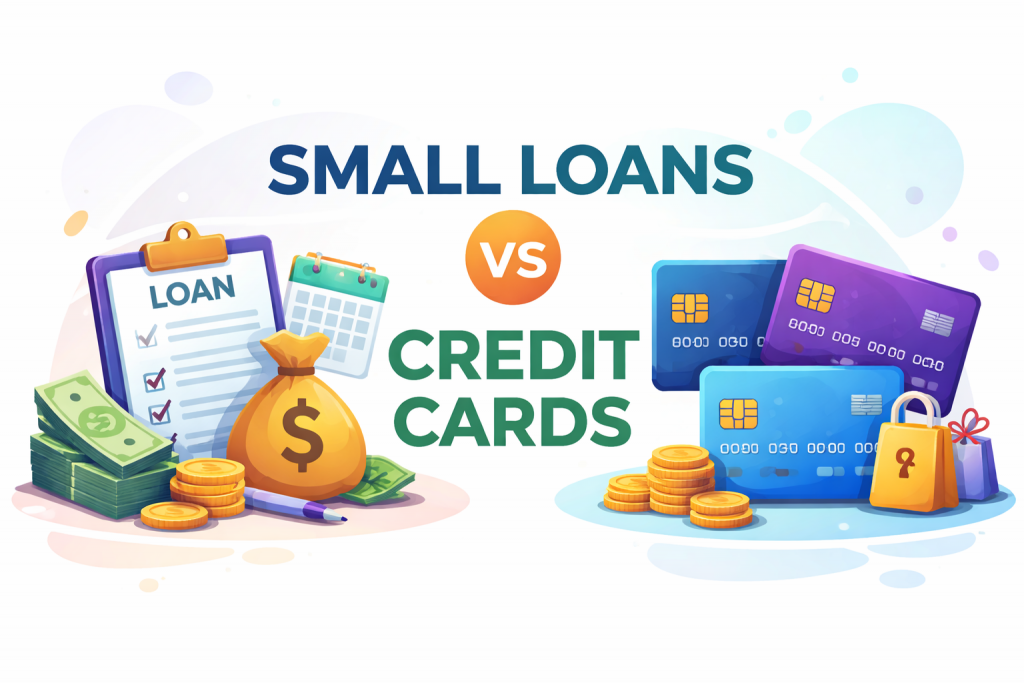
Borrowing money has become a normal part of modern life. Whether it’s for an unexpected emergency, covering bills, or handling a larger purchase, millions of people turn to credit every year. Two of the most common ways to access quick funds are small loans and credit cards. While both can help you get money when you need it, they operate in very different ways and can impact your finances differently.
When comparing small loans vs credit cards, the right choice often depends on your financial goals, spending habits, and how quickly you plan to repay the debt. Some people prefer the structured repayment schedule of a small personal loan, while others enjoy the flexibility and convenience that credit cards offer. Understanding the strengths and weaknesses of both options is essential before deciding which one fits your situation best.
If you are exploring lenders that may approve applications quickly, especially if your credit score isn’t perfect, you can review this helpful resource listing easy approval finance companies: https://debtfreelivingtips.com/easy-approval-finance-companies-usa-bad-credit/
This guide will break down the major differences between small loans vs credit cards, explain when each option makes sense, and help you make a smarter borrowing decision.
Understanding the Basics of Small Loans vs Credit Cards
Before choosing between these two financial tools, it’s important to understand how they work. Although both allow you to borrow money, they function in completely different ways.
A small loan, often referred to as a personal loan, provides you with a fixed amount of money upfront. Once approved, the lender deposits the funds directly into your bank account, and you repay the loan over time through regular monthly payments. These payments usually include both principal and interest, and the repayment schedule is predetermined when you sign the loan agreement.
A credit card, on the other hand, works as a revolving line of credit. Instead of receiving a lump sum, you’re given a credit limit that you can borrow against repeatedly. As you spend money using the card, your available credit decreases. Once you make payments, that credit becomes available again.
The comparison of small loans vs credit cards often comes down to predictability versus flexibility. Personal loans offer fixed repayment terms and consistent payments, while credit cards allow ongoing access to credit without a set repayment schedule beyond the minimum payment.
How Small Loans Work
Small loans are designed to provide borrowers with quick access to a set amount of money. These loans are commonly used for expenses such as medical bills, car repairs, debt consolidation, or other short‑term financial needs.
Once approved, the borrower receives the entire loan amount in one payment. The repayment period can range from a few months to several years depending on the lender and loan amount. Interest rates are usually fixed, meaning your monthly payment stays the same throughout the life of the loan.
One of the biggest advantages in the small loans vs credit cards debate is the structured repayment plan. Because the loan has a clear timeline and consistent payment schedule, it can be easier for borrowers to manage their budget and stay on track with debt repayment.
Small loans can also be beneficial for individuals trying to consolidate multiple debts into a single monthly payment. By replacing several high‑interest credit card balances with one loan, borrowers may reduce their interest costs and simplify their finances.
However, small loans often require an application process and approval from a lender. This means borrowers may need to provide proof of income, identification, and credit information before receiving funds.
How Credit Cards Work
Credit cards function very differently from personal loans. Instead of borrowing a fixed amount once, cardholders receive a revolving credit limit that can be used repeatedly for purchases.
Every time you use the card, the amount spent is added to your balance. At the end of the billing cycle, the credit card company sends a statement showing the total balance and the minimum payment required. If you pay the full balance before the due date, you usually avoid interest charges. If you carry a balance, interest is added to the remaining amount.
When comparing small loans vs credit cards, credit cards offer far more flexibility. You can use them for everyday expenses, emergency purchases, travel bookings, or online shopping. Once you pay down the balance, the available credit is restored.
Another major appeal of credit cards is rewards programs. Many cards offer cashback, travel points, or purchase protection benefits. For disciplined users who pay their balances in full each month, these perks can provide significant value.
The downside is that credit card interest rates tend to be much higher than personal loan rates. Carrying a balance over time can quickly lead to expensive debt if payments are not managed carefully.
Key Differences Between Small Loans vs Credit Cards
To fully understand the comparison of small loans vs credit cards, it helps to look at the core differences side by side.
| Feature | Small Loans | Credit Cards |
|---|---|---|
| Borrowing Structure | Lump sum payment | Revolving credit line |
| Repayment | Fixed monthly payments | Flexible minimum payments |
| Interest Rates | Often lower and fixed | Usually higher and variable |
| Credit Access | One‑time borrowing | Reusable credit limit |
| Best For | Large planned expenses | Everyday purchases |
When Small Loans Are the Better Choice
In many cases, personal loans are the smarter option when comparing small loans vs credit cards. This is especially true when you need a specific amount of money and want predictable repayment terms.
For example, imagine you need $3,000 to repair your car. Taking out a small loan for that exact amount allows you to repay the debt over a fixed period with consistent payments. This structure can make budgeting much easier compared to managing an ongoing credit card balance.
Another common reason people choose personal loans is debt consolidation. If you have several credit cards with high interest rates, combining them into one loan may reduce the overall interest you pay. It also simplifies financial management by replacing multiple due dates with one monthly payment.
Borrowers with fair or poor credit may also find lenders willing to offer smaller loan amounts. Many finance companies specialize in quick approvals for applicants who may not qualify at traditional banks. A list of lenders offering these types of approvals can be found here: https://debtfreelivingtips.com/easy-approval-finance-companies-usa-bad-credit/
When Credit Cards May Be the Better Option
While personal loans offer structure, credit cards provide unmatched flexibility. In the discussion of small loans vs credit cards, credit cards tend to be more useful for smaller, everyday expenses.
If you regularly buy groceries, fuel, or online items, using a credit card can be convenient. When the balance is paid off each month, you avoid interest while potentially earning rewards such as cashback or travel points.
Credit cards are also helpful in short‑term borrowing situations. Some cards offer promotional 0% interest periods, allowing you to spread out payments over several months without paying interest. If the balance is cleared before the promotional period ends, the borrowing cost can be extremely low.
Another advantage is immediate access to credit. Once approved, you can use your card anytime without applying for a new loan each time you need funds.
However, this convenience can also lead to overspending. Because minimum payments are often small, balances can linger for years if not managed carefully.
Interest Rates and Costs to Consider
Interest rates play a major role when evaluating small loans vs credit cards. In most cases, personal loans offer lower interest rates than credit cards, especially for borrowers with good credit.
Credit card interest rates can sometimes exceed 20% or more depending on the card issuer and the borrower’s credit profile. When balances are carried month after month, these rates can significantly increase the total cost of borrowing.
Small loans generally provide more predictable costs because the interest rate is fixed and the repayment period is clearly defined. Borrowers know exactly how much they will pay each month and when the debt will be fully paid off.
Credit cards, however, may charge additional fees such as annual membership fees, late payment penalties, and cash advance fees. These costs can add up quickly if the card is not managed responsibly.
How Each Option Affects Your Credit Score
Both types of credit can influence your credit score, but they do so in slightly different ways. Understanding this impact is important when comparing small loans vs credit cards.
Personal loans are considered installment credit. Making consistent on‑time payments demonstrates responsible borrowing behavior, which can positively influence your credit history over time.
Credit cards fall under revolving credit. One of the key factors affecting your score is credit utilization, which measures how much of your available credit you are using. High balances relative to your limit can lower your score, while low utilization can improve it.
Maintaining a mix of both installment loans and revolving credit accounts may actually benefit your overall credit profile when managed properly.
Tips for Choosing Between Small Loans vs Credit Cards
Selecting the right borrowing option requires careful thought about your financial goals and habits. Consider the following factors when deciding:
- Do you need a specific amount of money upfront? A small loan may be better.
- Are you planning to make multiple purchases over time? A credit card might offer more flexibility.
- Do you prefer fixed monthly payments? Personal loans provide predictable repayment schedules.
- Can you pay off balances quickly? Credit cards can be useful if you avoid interest.
Conclusion
Choosing between small loans vs credit cards ultimately comes down to how you plan to use the money and how you prefer to manage repayment. Personal loans offer structure, predictable payments, and often lower interest rates, making them ideal for larger or planned expenses. Credit cards provide flexibility, ongoing access to funds, and rewards programs that can benefit disciplined users.
Before borrowing, take time to compare interest rates, fees, repayment terms, and your own spending habits. Responsible use of either option can help you cover expenses, build credit, and maintain financial stability.
If you are searching for lenders that may approve applications quickly, especially with less‑than‑perfect credit, this resource listing easy approval finance companies may help: https://debtfreelivingtips.com/easy-approval-finance-companies-usa-bad-credit/
Frequently Asked Questions
1. Are small loans better than credit cards?
Small loans can be better when you need a fixed amount of money and prefer predictable monthly payments. Credit cards may be better for ongoing spending and short‑term borrowing.
2. Do small loans have lower interest rates than credit cards?
In many cases, yes. Personal loans typically offer lower interest rates than credit cards, especially for borrowers with good credit histories.
3. Can I use a small loan to pay off credit card debt?
Yes. Many people use personal loans to consolidate multiple credit card balances into one payment with a potentially lower interest rate.
4. Is it easier to qualify for a credit card or a small loan?
It depends on the lender and your credit profile. Some lenders offer small loans designed for borrowers with poor credit, while others require higher credit scores.
5. Which option helps build credit faster?
Both options can help build credit if payments are made on time. Credit cards help manage utilization, while personal loans build a history of installment payments.
Pingback: Small Loans vs Credit Cards: The Best Borrowing Option – Debt Free Living